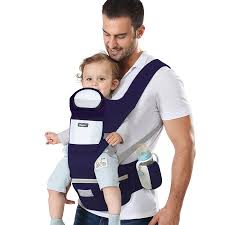
The Benefits of Babywearing in 2025: Trends, Science, and Parent Experiences
Babywearing has long been a practice embraced by cultures around the world, and in 2025, it’s more than just a parenting trend—it’s a lifestyle choice backed by science and supported by modern innovations. As more parents seek ways to bond with their babies while navigating busy lives, baby carriers offer a solution that combines emotional, physical, and practical benefits. This article explores the wide-ranging advantages of babywearing, the scientific research behind it, and how modern trends and parent experiences are shaping its evolution.
1. The Emotional Bond: Skin-to-Skin Connection
Carrying your baby in a sling or carrier enhances physical closeness, which supports emotional bonding and attachment. In the early months, this skin-to-skin contact:
- Regulates baby’s heartbeat and breathing.
- Reduces stress hormones in both parent and baby.
- Encourages the release of oxytocin, known as the "love hormone."
Parent Experience: "Using a wrap for my newborn helped me feel connected in those early, foggy days. I felt like I could respond instantly to her needs," says Chloe M., a first-time mom in Austin, TX.
2. Supporting Cognitive and Social Development
When babies are worn, they are positioned in a place of high interaction—eye level with their caregiver. This exposes them to more facial expressions, speech, and social cues, which supports cognitive growth. According to pediatricians:
- Babies in carriers engage more with their environment.
- Babywearing fosters language development through proximity to conversation.
- It supports early brain development through multi-sensory engagement.
3. Practical Benefits for Busy Families
In 2025, life moves fast, and babywearing helps parents keep up without compromising care. Whether running errands, working from home, or managing siblings, carriers allow multitasking without leaving baby behind.
- Hands-free mobility.
- Discreet breastfeeding on the go.
- Easy navigation through crowds and small spaces.
- Less reliance on bulky strollers.
Parent Experience: “With two kids under three, my carrier is my survival tool. I cook, clean, and play with my toddler—all while baby naps on my chest,” shares Luis T., a dad from Chicago.
4. Soothing and Sleep Benefits
Babywearing is a powerful calming tool. The rhythmic motion, body heat, and sound of a caregiver’s heartbeat can:
- Reduce crying by up to 43% (as per Pediatrics journal studies).
- Promote longer and deeper naps.
- Help regulate the baby’s circadian rhythm.
Carriers are especially useful during the “witching hour” in the evening or when baby is overstimulated.
5. Health and Physical Development Advantages
Ergonomic babywearing supports healthy physical growth when done correctly. Key physical benefits include:
- Proper hip development (M-shaped position).
- Promoting neck and back strength.
- Improved digestion and reduction in reflux.
Modern carriers in 2025 come with enhanced lumbar support for caregivers and structured ergonomic seats for babies.
6. Trends in Babywearing Gear: 2025 Innovations
Today’s babywearing products reflect cutting-edge design and science-backed features:
- Smart Carriers: Monitor baby’s posture, temperature, and movement.
- Eco-Friendly Materials: Brands use TENCEL™, bamboo, and organic cotton.
- Gender-Inclusive Designs: Neutral styles and adjustable fits for all body types.
- Fashion-Forward Options: Carriers that blend into everyday wardrobes.
- Modular Carriers: Convertible styles that grow from newborn to toddler.
7. Community and Mental Health Benefits
The babywearing community is a lifeline for many new parents. Whether through local meetups or online groups, it fosters connection and shared learning. Benefits include:
- Reduced feelings of isolation.
- Confidence-building as caregivers become attuned to baby’s needs.
- Shared experiences and product recommendations.
Parent Experience: “Joining a babywearing group helped me regain my confidence as a new mom. The support was invaluable,” notes Sarah L., a mom of twins from Portland.
8. Babywearing Across Cultures
Cultures around the world have practiced babywearing for centuries. In 2025, parents are drawing inspiration from traditional methods:
- Africa: Kanga wraps
- Asia: Mei tai and onbuhimo
- Latin America: Rebozo carriers
- Indigenous North America: Cradleboards and traditional woven slings
These time-tested practices continue to influence modern designs, celebrating diversity and ancestral wisdom.
9. Safety Guidelines and Best Practices
While babywearing is largely safe, it’s crucial to follow guidelines:
- Use ergonomic carriers that support baby’s hips and spine.
- Follow the T.I.C.K.S. safety checklist:
- Tight
- In view at all times
- Close enough to kiss
- Keep chin off the chest
- Supported back
- Always read the manufacturer’s instructions.
10. Babywearing and the Fourth Trimester
The first 12 weeks postpartum—often called the “fourth trimester”—is a period of major adjustment. Babywearing supports both parent and baby through this time:
- Helps baby transition to life outside the womb.
- Encourages healing and bonding for birthing parents.
- Eases separation anxiety and colic symptoms.
Conclusion
In 2025, babywearing remains a powerful practice that merges tradition with innovation. Backed by science, embraced by parents, and enhanced by technology, it offers a wealth of emotional, developmental, and practical benefits. Whether you’re using a soft wrap in the early days or upgrading to a structured carrier for toddler adventures, babywearing enriches the parenting journey in countless ways.
The growing community, expanding product range, and deep cultural roots of babywearing ensure that it’s more than just a trend—it’s a parenting revolution built on love, connection, and care.